Catholic Primary School (NSW)
Room for every voice
An opportunity to understand big emotions
The school introduced My Mind Check after noticing a pattern of students experiencing “big emotions” that were affecting their readiness to learn. Many students were feeling overwhelmed and finding it difficult to put how they were feeling into words. Staff saw the platform as an opportunity to better understand these experiences, strengthen students’ capacity to express their feelings, and guide more targeted wellbeing support.
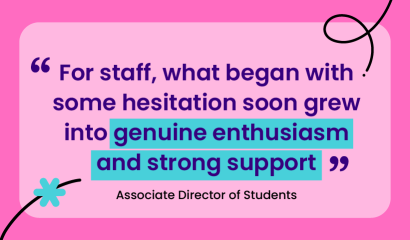
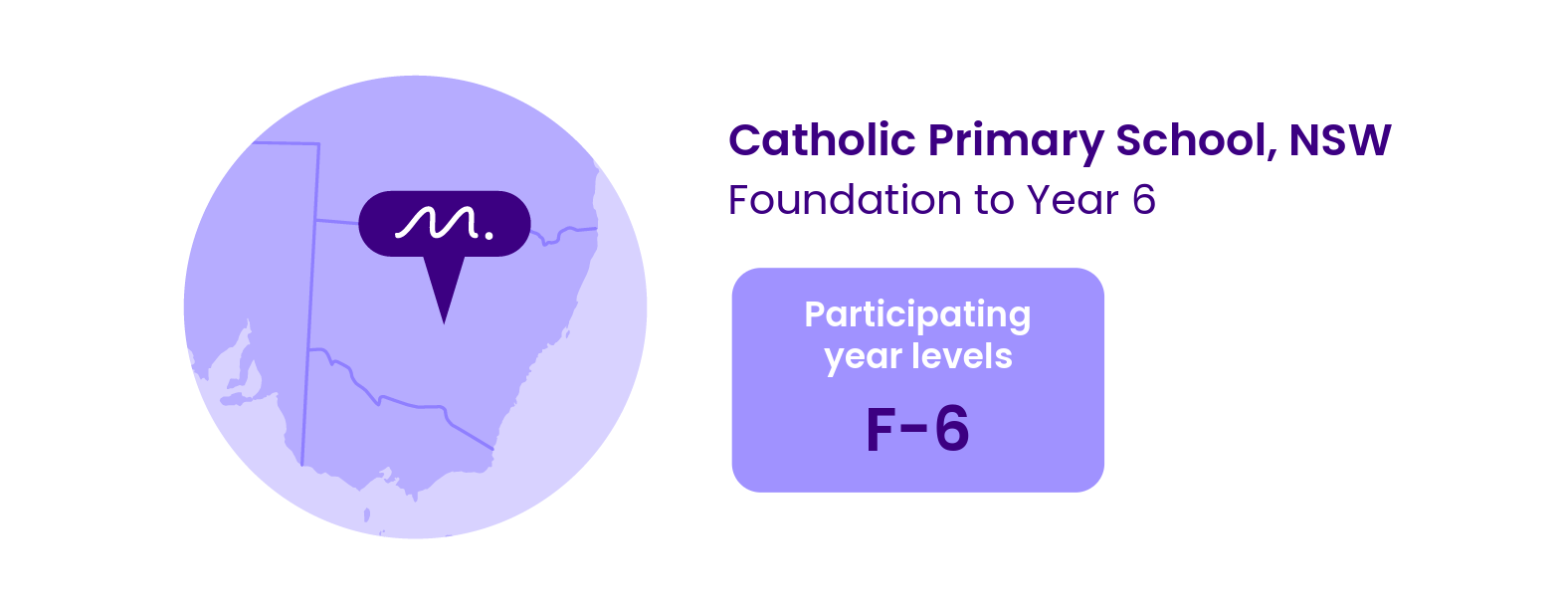
Rather than trialling with a single cohort, the school chose a whole-school approach from Foundation to Year 6. With many siblings across the school, staff wanted every child in a family to be able to take part and share what was on their mind, and they valued that check-ins were thoughtfully adjusted for different age groups so each student could participate in a way that felt appropriate and meaningful. To keep the workload manageable, they used a staged rollout — beginning with Years 5 and 6, then extending to Years 3 and 4, Years 1 and 2 and finally Foundation over the following weeks.
Open communication drew families in
In the classroom, the Assistant Principal explained what My Mind Check was to all students, including those who didn’t yet have consent, so everyone understood what their peers were doing. This transparency had a positive ripple effect: many students went home and encouraged their caregivers to opt in, leading to an additional 20% of families providing consent. Among these were students who were experiencing challenges, giving the school valuable opportunities to connect with their families.
Consent forms stayed open on the school’s communication platform for an extended period so families could decide in their own time, and students were added week by week. Staff also reassured caregivers that they don’t see individual answers, only an overall indication of whether a student appears to be coping or might need extra support.
Insights in action
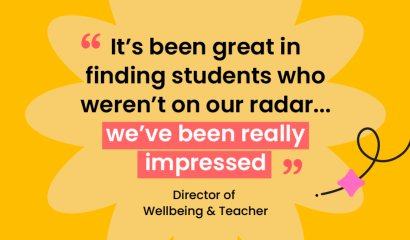
Just as schools constantly gather information about students’ learning, staff found My Mind Check let them do the same for wellbeing. It was especially helpful for triangulating information, confirming or extending their own observations and providing an easier entry point into important conversations with caregivers. Being able to show that a concern wasn’t only something staff had noticed, but something the child had reflected in their own check-in, gave these discussions greater impact:
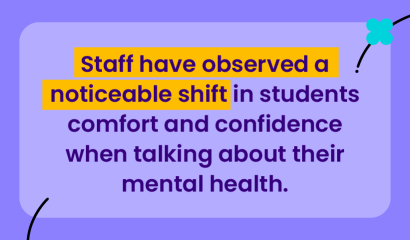
When following up, staff prioritised talking with the student first, opening gently; “You’re not in trouble… can I talk to you about My Mind Check?” Almost every student agreed. The familiar traffic-light system helped start open discussions (e.g. “This week, you’re in the red…”), and together they worked on a Student Action Plan to help things feel a bit easier, which most students chose to share with their teacher and caregivers.
As the school’s representative reflected every student faces different pressures at different times, and “some of them come to the gates with a nearly full cup.” Each check-in simply offers a moment to notice when something is new and ask what’s happening for that student right now.
Since introducing the platform, the school has already seen a family arrange for their child to see a psychologist following a check-in.
Their advice? Invest in relationships and build trust.
The school’s advice is grounded in relationships. Communicating outcomes is a relationship-dependent process, best led by someone who already knows the student and family. As staff put it, “Trust is slow to grow and fast to go.” They used the phone script flexibly rather than word-for-word, drawing out key points and framing conversations naturally: “Some of these things apply to your child, and some of them might not.”
They also encourage schools to invest early in family communication, introducing My Mind Check in a light, friendly, age-appropriate way and using visuals like sample questions to build confidence before seeking consent.
Looking ahead, the school plans to continue running check-ins three times each term across all year levels and has made My Mind Check part of how it welcomes new Foundation families, helping them feel informed and comfortable from the very start.
Reach out to our School Support Team to discuss how My Mind Check can support your school’s unique wellbeing goals.