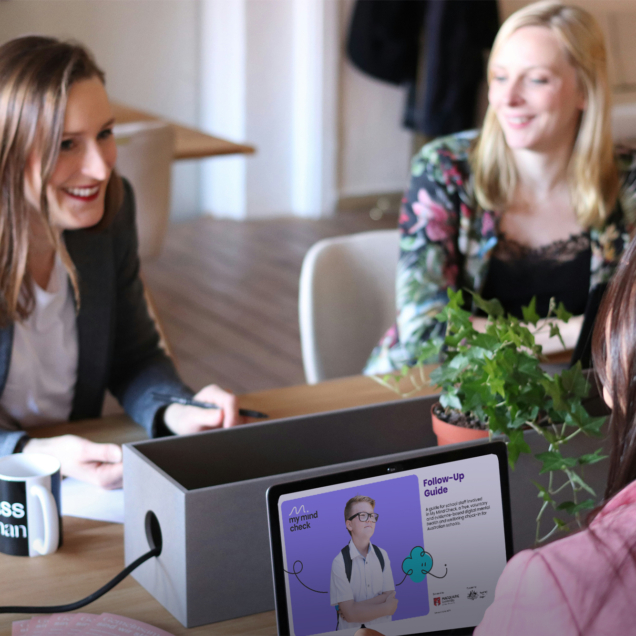
As an educator, managing mental health in the classroom doesn’t mean being a therapist. It’s about embedding everyday practices that create a nurturing environment – helping students feel supported and capable of reaching their potential.
The BEACON Research project discovered that checking-in with your students doesn’t exacerbate mental health difficulties, but rather helps actively improve student mental wellbeing over time.
Here are some practical strategies to support mental health in your classroom.
Normalise mental health conversations
Talking about feelings and ways to cope helps reduce the mental health challenges and the stigma that students may be experiencing. Reducing this stigma is essential to identify student needs early, and it encourages them to seek help when needed. Where possible, also consider incorporating lessons on resilience, growth mindset and coping skills into your curriculum. Stories of famous or noteworthy people who have overcome challenges can also help to model this.
Build strong, supportive relationships inside and outside the classroom
Relationships are at the heart of learning and student wellbeing. A positive teacher-student relationship can make a profound difference in a student’s life and be a protective factor against stress, anxiety and disengagement. When students feel seen, heard, and respected, they are more likely to feel supported and motivated to learn. Strong relationships don’t require big gestures. They can be built through consistent micro-moments of care and respect.
Here are some ways to promote meaningful connections:
- Create opportunities for connection in your school day. For example, as part of routine morning welcomes, class transitions and co-curricular activities.
- Show interest in aspects of a student’s life beyond their academic progress, including greeting each student by name and asking them about their recent sport or cultural activity.
- Share appropriate personal challenges you’ve faced and how you overcame them to show that you resonate with the student’s experience. Students appreciate adults who are real, not perfect.
- Listen actively when a student shares their experiences, perspectives and feelings. It’s often tempting to inadvertently dismiss their concerns by providing solutions too quicky. Instead, validating your student’s experience and showing empathy can support your student to feel valued and heard, while also creating a space for them to generate their own solutions.
Model self-care
Students learn from what you do, not just what you say. You may like to consider modelling positive self-talk in front of your students or sharing ways that you try to establish a work-life balance. As educators, maintaining a healthy work-life balance can often be challenging. Students can benefit from your ongoing focus on self-care and ways to work towards this.
Create predictability and structure
Predictability and consistency are important components in reducing a student’s cognitive load, building trust, and reducing feelings of overwhelm and stress. This is particularly important for neurodiverse students and students adjusting to a new school (and classroom) environment. When students know what’s coming and what’s expected of them, they can focus on learning rather than worrying about surprises or confusion.
Continue to incorporate the following into your engagement with students as applicable to your education setting and your students:
- Keep daily routines clear and predictable. Make them visual with creative ways to prompt your students.
- Use visual schedules and reminders for transitions. Support older students to incorporate their own scheduling system with reminders.
- Give clear instructions and check for understanding before moving on. Sometimes even the most gifted students have difficulties organising and prioritising their tasks.
Give students voice and choice
When students feel they have a say in their learning, they experience a sense of autonomy, which is essential for mental wellbeing. Choice reduces feelings of helplessness and boosts motivation, engagement, and confidence. For some students, even small choices can make a big difference. For students who find it difficult to generate ideas on what to do, make a few suggestions for them to consider.
Use strength-based language
A strengths-based approach focuses on what students can do, their effort, and their unique abilities, rather than highlighting weaknesses or deficits. This approach builds self-esteem, resilience, and motivation, which are essential for good mental health. Consider including the following strategies:
- Highlight effort and progress.
- Provide feedback that builds hope.
- Don’t ignore areas for growth, but frame them as opportunities, not failures.
- Reinforce strengths consistently, not just during formal assessments.
Integrate movement and brain breaks
Movement isn’t just about physical health; it’s important for mental wellbeing, focus and emotional regulation. Sitting still for long periods can increase stress, anxiety and restlessness, especially for younger students. Brain breaks give students a mental reset, helping them return to tasks with improved attention and mood.
Provide access to help
One of the most powerful ways to support mental health is ensuring students know where and how to get help and feel safe doing so. Many students struggle in silence because they’re unsure who to talk to, fear being judged or worry about confidentiality. Post information about the school counsellor, wellbeing team, or helplines around the classroom.
We also have a suite of free resources, including a mental health and wellbeing guide, to help you have supportive conversations with students. Contact us to get a copy of our mental health guide and discover more resources for your school.
Supporting mental health in the classroom is essential for learning. When students feel safe and supported, they are more engaged, resilient, and ready to succeed. By embedding these strategies into your everyday teaching, you’re making a difference that goes far beyond current academic achievement.